Acreage homes are often cherished for their character and connection to history, offering a unique charm that newer properties may lack. However, living in a heritage home doesn’t mean you have to forgo modern comforts and conveniences. With thoughtful planning and design, you can blend modern upgrades with the timeless features of your acreage home, creating a space that honours its past while embracing the future. This guide will take you through the essential steps to achieve a harmonious balance between old and new in your heritage acreage home.
1. Respecting the Original Architecture
Before embarking on any renovation project, it’s crucial to understand and respect the original architecture of your home. The key to a successful blend of modern and heritage features is maintaining the integrity of the original design while making updates that enhance its functionality and comfort.
- Research and Documentation: Start by researching the history of your home. Understanding its architectural style, the materials used, and any significant historical elements will guide your renovation decisions. Documenting these features helps ensure they are preserved and protected during the renovation process.
- Consulting with Experts: Consider working with an architect or designer who specialises in heritage properties. Their expertise can help you navigate the complexities of renovating an older home, ensuring that any changes are sympathetic to the original design.
2. Choosing Complementary Materials and Finishes
One of the most important aspects of blending modern upgrades with heritage features is selecting materials and finishes that complement the existing elements of your home. The goal is to enhance the character of your home, not overshadow it.
- Matching or Contrasting: When choosing materials for new additions or renovations, you can either match them closely to the existing ones or select contrasting materials that still work harmoniously with the original structure. For example, if your home has timber features, you might choose to incorporate new timber elements that are in the same style or opt for a modern material like polished concrete that contrasts beautifully with the warmth of the wood.
- Quality and Craftsmanship: Heritage homes often feature high-quality craftsmanship that is hard to replicate today. When selecting new materials, prioritise quality over cost. Invest in finishes that will age well and add to the home’s character over time.
3. Modernising Key Areas Without Losing Character
While the overall aesthetic of a heritage home should be preserved, certain areas can benefit greatly from modernisation, particularly kitchens and bathrooms. These are the spaces where modern conveniences can be introduced without compromising the home’s historical charm.
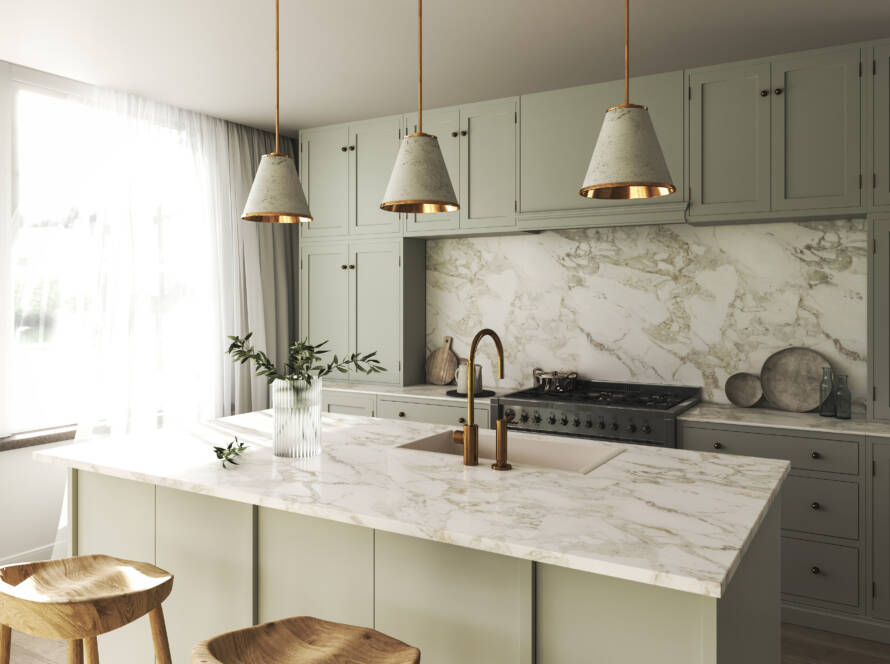
- Kitchens: A modern kitchen doesn’t have to look out of place in a heritage home. Consider integrating contemporary appliances with cabinetry that reflects the home’s era. For example, shaker-style cabinets can provide a timeless look that blends seamlessly with modern amenities. Marble or stone benchtops can add a luxurious touch while still fitting in with the traditional style.
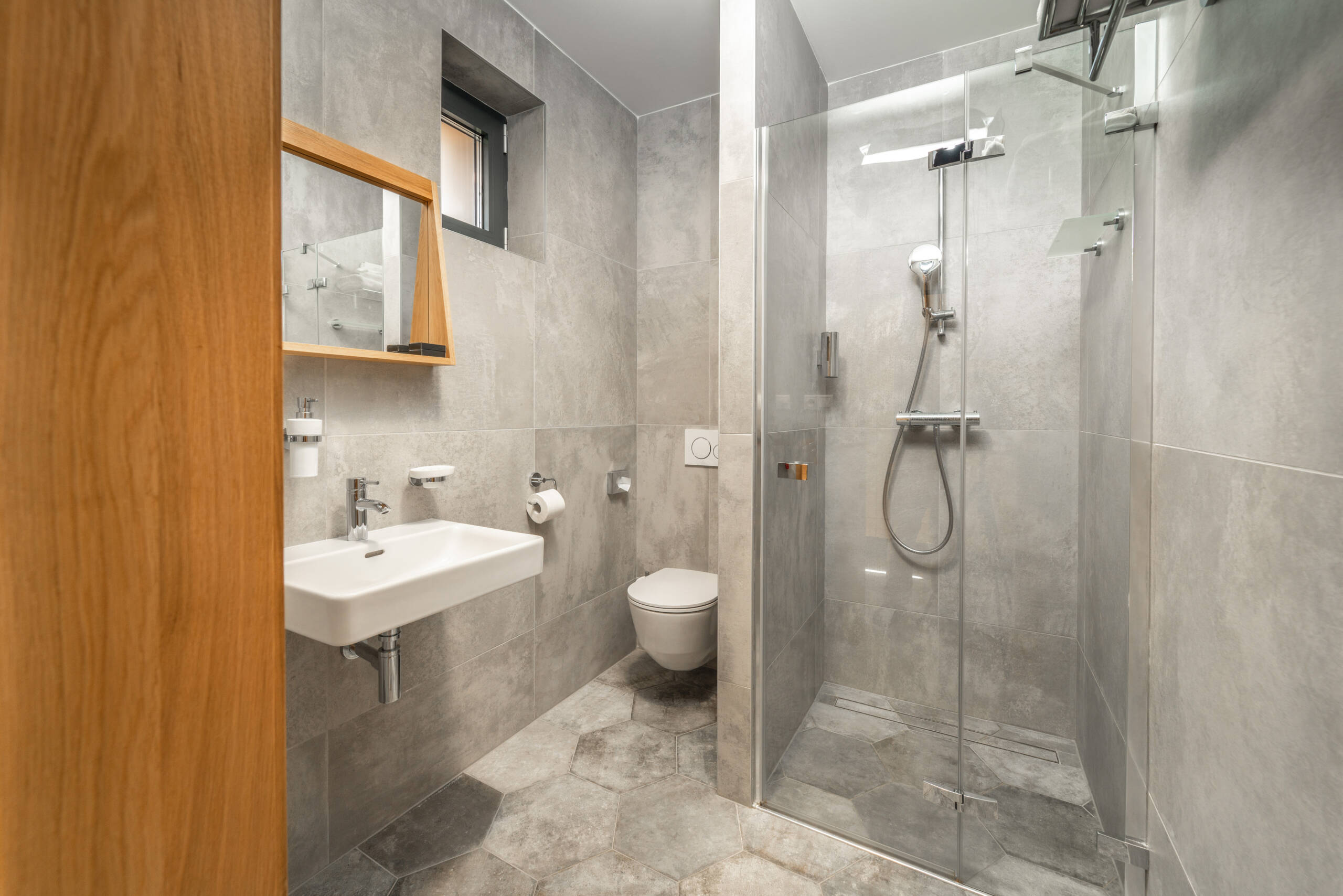
- Bathrooms: When updating a bathroom, look for fixtures that combine modern functionality with vintage aesthetics. Clawfoot tubs, pedestal sinks, and brass or chrome fixtures can provide a nod to the past while offering modern convenience. Underfloor heating or a rain showerhead can bring comfort to your bathroom without detracting from its character.
4. Enhancing Energy Efficiency While Preserving Heritage Features
One of the challenges of owning a heritage home is improving energy efficiency without altering its character. Fortunately, there are several ways to modernise your home’s efficiency while preserving its heritage features.
- Insulation and Draught Proofing: Many older homes lack adequate insulation, leading to high energy costs. Adding insulation to the roof, walls, and floors can improve your home’s comfort without affecting its appearance. Draught proofing doors and windows is another effective way to enhance energy efficiency without compromising aesthetics.
- Window Upgrades: If your home has original windows, consider refurbishing them rather than replacing them. Secondary glazing is an excellent option that can improve insulation and soundproofing without altering the external appearance of the windows. If you need to replace windows, choose designs that replicate the originals as closely as possible.
- Energy-Efficient Heating and Cooling: Modern heating and cooling systems are more efficient and less obtrusive than ever before. Consider installing underfloor heating, which can be hidden from view, or using discreet air conditioning units that blend in with the home’s design.
5. Integrating Technology Discreetly
Incorporating modern technology into a heritage home requires a delicate touch. The goal is to enjoy the conveniences of the 21st century without disrupting the home’s historical ambiance.
- Smart Home Systems: Smart home technology can be integrated discreetly into a heritage home. Consider wireless systems that don’t require extensive rewiring, and choose devices with designs that won’t detract from the home’s aesthetics. For example, smart thermostats and lighting systems can be controlled via your phone or voice, reducing the need for visible control panels.
- Hidden Wiring: If you’re installing new electrical or communication systems, look for ways to conceal wiring within existing walls or floors. This approach helps maintain the home’s original appearance while allowing for modern functionality.
6. Planning for Outdoor Spaces
Outdoor spaces are an extension of your home and should also reflect the balance between modern living and heritage aesthetics.
- Landscaping: When planning your garden or outdoor spaces, consider the era of your home. Choose plants, garden structures, and materials that complement the home’s style. For instance, a cottage garden with native plants can be a beautiful and appropriate choice for many heritage homes.
- Outdoor Living Areas: Modern outdoor living areas, such as decks or verandahs, can be added to acreage homes without looking out of place. Use materials like timber or stone that tie in with the existing architecture, and design these spaces to flow naturally from the indoor areas.
Wrapping up
Blending modern upgrades with heritage features in an acreage home is a rewarding challenge that, when done right, can create a space that honours the past while providing all the comforts of modern living. By respecting the original architecture, choosing complementary materials, and integrating modern conveniences discreetly, you can create a home that’s as functional as it is beautiful.
At Rigour Building, we specialise in renovating heritage homes, bringing together the best of both worlds. If you’re planning a renovation and need expert guidance, contact us today to discuss how we can help you achieve your vision.